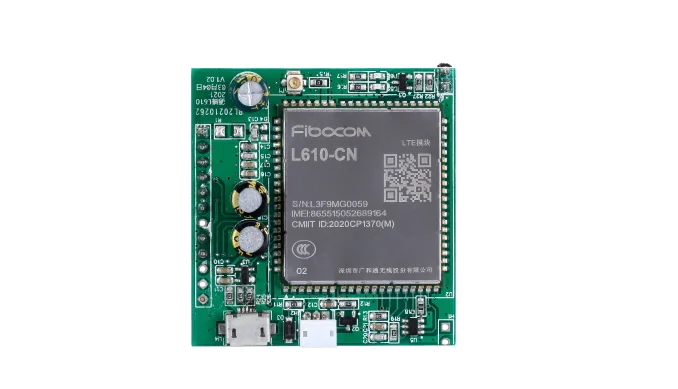
4G IoT controller

QL-4G-300 4G IoT controller

A cellular controller for sites that need remote commands, machine status, and telemetry without a local PC or reliable network.

4G uplinkRS485 / pulseOffline bufferOwn backend
QL-4G-300 4G IoT controller board

Project fit

For remote monitoring and machine data

Buyer signals

  • Sites without reliable local network or a local PC.
  • Machines that expose serial, RS485, pulse, or relay signals.
  • Projects that need heartbeat, session, fault, or meter data.
  • Teams that want data in their own backend, not a closed portal.

What to send first

  • Machine photo or existing board photo
  • Interface or wiring note if available
  • Target action after API command or payment
  • Whether telemetry or data upload is required

Not the right fit if

  • The machine has no usable data or control interface.
  • You need guaranteed cellular coverage before a site survey.
  • You only need a local dashboard with no backend integration.

Integration model

From machine signal to your backend

QuLink reads the available controller or sensor signals, buffers them locally, and delivers events to your HTTP API, webhook, or MQTT broker.

Product model
QL-4G-300
Connectivity
4G LTE Cat.1; Wi-Fi and Ethernet optional
Communication
RS485 / RS232 / UART
Relay
2 channels; NO / NC / COM
Relay rating
10A 250VAC / 10A 30VDC
Pulse input
2 channels; 5–24V opto-isolated
Power input
12–24V DC; 2A
Offline storage
8 GB; up to 30 days
Data output
HTTP API / webhook; MQTT optional
Firmware
Standard firmware; OTA update support
Indicative sample price
USD 149–229 for one sample; final quote after interface review
Applications
Remote monitoring, vending, laundry, lockers, utility equipment

Workflow

From machine interface to API-controlled result.

Confirm the machine interface

Send the controller label, wiring photos, and the action the machine must perform.

Map the command

Define the API command, machine action, result fields, timeout, and fault behavior.

Test one machine

Validate the command, machine action, result, and reconnect behavior on a sample.

Configure the rollout

Confirm connector, firmware, quantity, and support before production.

API example

A clear server command or webhook for the machine-side action.

The exact command fields depend on machine interface, firmware profile, and whether payment or your own app triggers the action.

POST /v1/devices/SITE-12/events
{
  "event": "telemetry",
  "device_id": "SITE-12",
  "fields": ["heartbeat", "session_state", "fault"]
}

Project RFQ

Send a machine photo. We help identify the board, interface, and next test step.

Send the controller model, data fields you need, and the backend endpoint you want to use.

A good first message

If you are unsure about the exact interface, send what you have. Photos often answer more than a long spec.

  • Machine type and target country
  • Machine photo, board photo, or wiring photo
  • Action after payment or API command
  • Need data upload? expected quantity?
Fastest first step
  • Send a machine photo
  • Describe the action after API or payment
  • Tell us if data upload is needed
Optional: company, quantity, interface, and data needs

Tip: include machine type, target action after payment/API, photo availability, and expected quantity. We usually reply within 24 hours.

Have machine or board photos? Send them on WhatsApp — we usually review photos there first.

FAQ

Questions buyers usually ask before a sample test.

Does it work with our own backend?

Yes. Event delivery can be configured for your HTTP API, webhook, or MQTT broker, depending on the project.

What data can it report?

It depends on the machine interface. Heartbeat, session state, relay or pulse events, and fault signals are common starting points.

Does it need a SIM card?

Yes for cellular operation. SIM, antenna, and site coverage are confirmed during the sample test.

What should I send first?

Controller model, serial or pulse interface, data fields needed, and where the data should go.

WhatsApp photo Send details