MQTT & API integration

MQTT and API integration for machine-side control.

Use this guide to plan the path between your backend, a QuLink controller, and a vending or self-service machine. The examples show the integration shape; endpoint names, topic prefixes, authentication, and payload fields are confirmed per firmware profile.

HTTPS APIMQTT topicsIdempotent commandsEvent callbacks
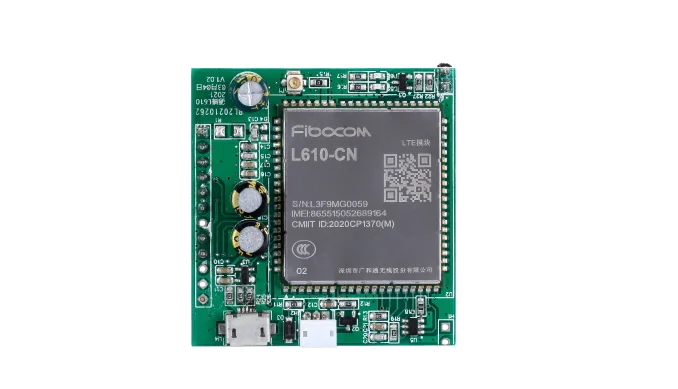
QuLink MQTT and API controller board for vending machines

Project fit

For teams connecting a machine to their own backend

Buyer signals

  • Your backend or app needs to trigger a vend, relay, pulse, unlock, or timed session.
  • Your platform uses HTTPS, webhooks, or MQTT and wants the machine-side contract in one place.
  • You need event identity, retries, and offline behavior defined before a sample.
  • You want to keep your own payment provider, schema, and dashboard.

What to send first

  • Machine photo or existing board photo
  • Interface or wiring note if available
  • Target action after API command or payment
  • Whether telemetry or data upload is required

Not the right fit if

  • You need payment acquiring, settlement, or wallet balance.
  • The machine has no controllable interface or usable event source.
  • You need a fixed API contract before the controller and firmware are confirmed.

Integration model

One contract, two transports

Use HTTPS for request/response commands and MQTT for real-time events or command delivery. The device identity, topic prefix, authentication, QoS, and TLS mode are issued per project.

API transport
HTTPS REST; JSON request and response
MQTT transport
MQTT 3.1.1 over TLS 1.2; QoS 1; keepalive 60s
Device identity
Project-issued device_id
Command reference
reference_id is used for idempotency
Event identity
event_id, occurred_at, device_id, result
Authentication
HTTPS Bearer token; optional HMAC-SHA256
Error model
unauthorized, device_offline, timeout, invalid_command, machine_fault

Workflow

From machine interface to API-controlled result.

Confirm the machine interface

Send the controller label, wiring photos, and the action the machine must perform.

Define the command contract

Confirm command names, slot or channel mapping, timeout, and result fields.

Connect the transport

Issue device identity, token, topic prefix, TLS mode, and QoS for the project.

Test one machine

Validate command, machine action, event identity, retry, and reconnect on a sample.

API example

A clear server command or webhook for the machine-side action.

The exact command fields depend on machine interface, firmware profile, and whether payment or your own app triggers the action.

POST /v1/devices/{device_id}/commands
Authorization: Bearer 
Content-Type: application/json

{
  "command": "vend",
  "slot": "B04",
  "reference_id": "ORDER-1001",
  "timeout_ms": 15000
}

# MQTT topic map
devices/{device_id}/commands
devices/{device_id}/events

Project RFQ

Send a machine photo. We help identify the board, interface, and next test step.

Send the machine model, controller interface, target action, and data fields you need. We will confirm the API/MQTT contract and the next sample test.

A good first message

If you are unsure about the exact interface, send what you have. Photos often answer more than a long spec.

  • Machine type and target country
  • Machine photo, board photo, or wiring photo
  • Action after payment or API command
  • Need data upload? expected quantity?
Fastest first step
  • Send a machine photo
  • Describe the action after API or payment
  • Tell us if data upload is needed
Optional: company, quantity, interface, and data needs

Tip: include machine type, target action after payment/API, photo availability, and expected quantity. We usually reply within 24 hours.

Have machine or board photos? Send them on WhatsApp — we usually review photos there first.

FAQ

Questions buyers usually ask before a sample test.

Do you support MQTT?

MQTT 3.1.1 over TLS 1.2 with QoS 1 is the baseline. Broker, topic prefix, and authentication are confirmed per firmware profile.

Can we use our own backend?

Yes. The controller can deliver commands and events to your own API, webhook, or broker. The exact flow is confirmed on a sample.

How do you prevent duplicate commands?

The contract uses reference_id and event_id. Retry and deduplication behavior is confirmed in the firmware profile and tested on one machine.

What happens when the network is offline?

Event buffering and retry are part of the integration plan. Capacity, power-cycle retention, and backfill behavior must be tested before making a persistent-cache claim.

WhatsApp photo Send details