Payment approval
A card reader, QR checkout, wallet, or payment provider confirms the payment outside the vending controller.
MDB cashless flow
An MDB cashless transaction starts with payment approval from a reader, QR checkout, wallet, or payment provider. The machine-side cashless device or gateway then sends the authorization over MDB, the vending controller dispenses, and the available result is reported for reconciliation. The exact sequence depends on the controller and is confirmed on a sample.
Part of MDB Vending Machine API Gateway
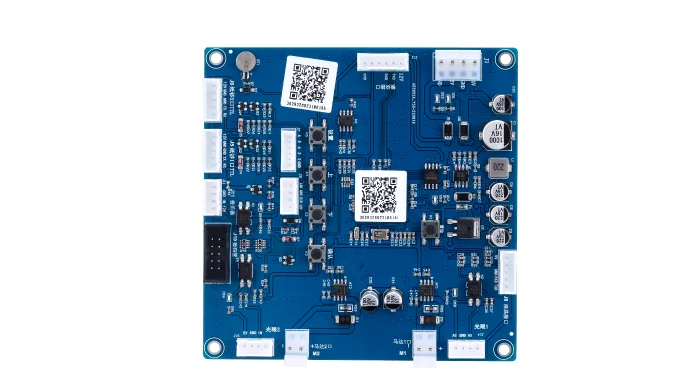
Transaction flow
Payment approval, MDB authorization, dispense, and reconciliation are separate steps. Keeping them separate makes failure handling clearer.
A card reader, QR checkout, wallet, or payment provider confirms the payment outside the vending controller.
The cashless device or gateway sends the authorization over the MDB cashless path; the controller decides whether to accept the vend.
The vending controller runs the motor or product release. The available result depends on the controller.
The machine-side board or reader reports success, failure, timeout, or fault; your backend matches it to the payment reference.
What to verify
Confirm the controller version and whether the cashless path accepts the project's authorization model. MDB 4.2/4.3 is the target profile; older versions need review.
Confirm product/slot, price, authorization amount, timeout, and whether the controller requires a selection before authorization.
Determine whether the controller reports vend success, failure, or fault events. If it does not, define a safe timeout and reconciliation rule.
Define what happens when payment succeeds but the vend fails, times out, or the machine goes offline.
Sample flow
Use a test reader, QR flow, or server callback with a known payment reference.
Trigger the machine-side authorization and observe the controller response.
Confirm the product release and capture the available vend result or timeout.
Match payment reference, device ID, slot, result, and timestamp in your backend.
Where QuLink fits
Interface and data
FAQ
No. Payment approval normally comes from a card reader, QR checkout, wallet, or payment provider. MDB carries the cashless authorization into the vending controller.
The cashless device or gateway sends the authorization over the MDB path, and the vending controller decides whether to accept it. The exact sequence depends on the controller.
That must be defined in the project. A safe flow uses a timeout, a result event where available, and a reconciliation rule for refunds or retries.
Yes. Your provider can confirm payment first, then call the machine-side command or callback that authorizes the vend.
Test one machine with a known payment reference: authorization, dispense, result or timeout, and reconciliation.
Project RFQ
Send the vending machine model, controller and MDB photos, current reader or payment provider, target vend action, and failure rules so we can scope the sample.
If you are unsure about the exact interface, send what you have. Photos often answer more than a long spec.
Related use cases